
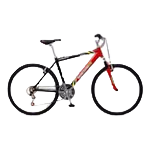
Bicycles are a common challenge when loading a truck. Most can be fitted into a load more easily by turning the handlebars to present a flatter shape — but exactly how to do that safely depends on your bike's specific design, so don't apply a one-size-fits-all procedure.
 Identify your
stem type before you touch anything. Older bikes often use a quill stem, where a single bolt
on top adjusts stem height and isn't meant for loosening the handlebar orientation. Most bikes made
in the last couple of decades use a threadless headset, where the top cap bolt and the stem
clamp bolts do different jobs — loosening the wrong one can leave your steering unsafe without
it being obvious just by looking at it. If you're not sure which you have, check your bike's manual
or ask a bike shop rather than guessing.
Identify your
stem type before you touch anything. Older bikes often use a quill stem, where a single bolt
on top adjusts stem height and isn't meant for loosening the handlebar orientation. Most bikes made
in the last couple of decades use a threadless headset, where the top cap bolt and the stem
clamp bolts do different jobs — loosening the wrong one can leave your steering unsafe without
it being obvious just by looking at it. If you're not sure which you have, check your bike's manual
or ask a bike shop rather than guessing.
Whatever you loosen or remove, put it back and check it before anyone rides the bike again. Test that the handlebars are tight and properly aligned, and re-inspect brakes, wheels, and fasteners — don't assume it's fine just because it looks right.
You can also remove the pedals. Pay close attention to the thread direction on the pedals as they are often different on each side of the bike. If you leave them on, ensure they don't damage adjacent items.
E-bikes and other battery-powered bikes need extra screening before you load them. Ask your mover or rental company whether they accept lithium batteries and what packaging they require — don't assume disconnecting the battery is enough to make it shippable, and don't open a battery pack yourself. If a battery is damaged or has been recalled, get specialist guidance before moving it at all.
Helpful Hints
- Ensure you don't crimp any cables when adjusting the handlebars or loading the bike.
- Spokes can be easily damaged if another object is sitting against them.
- Derailleurs (the shifting assembly that guides the chain) should not be subjected to a lot of force.
- Lower the seat all the way to make the bike slightly smaller.
- When placing bikes right next to each other, watch out for tangles that might make them difficult to get apart.
- Consider wrapping bikes in blankets to avoid scratches and tangles.
- Consider standing bikes upright unless they are sitting on top of the load.